Our Services
Contracting
We provide expert temple construction services, blending Vastu Shastra traditions with modern engineering to build spiritually resonant and structurally eternal stone sanctuaries.on.


Temple design
We provide complete architectural solutions, including detailed plans, elevations, full-size construction drawings, and comprehensive material lists to ensure every temple project is executed with absolute precision.
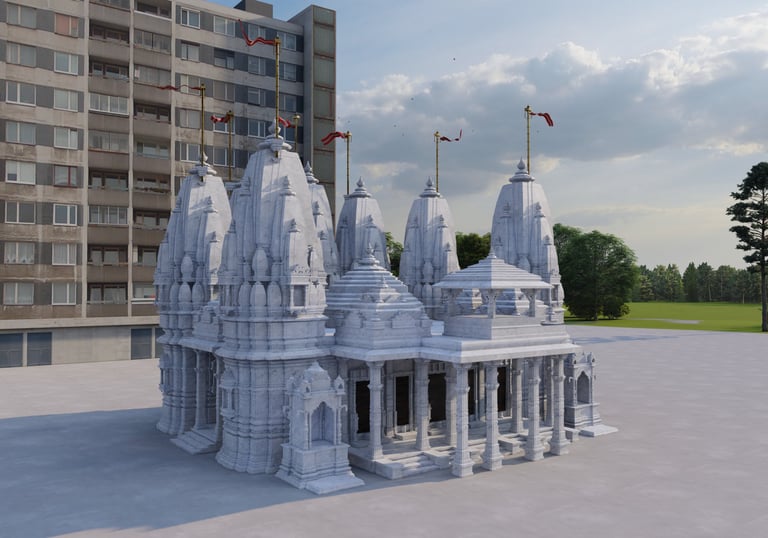
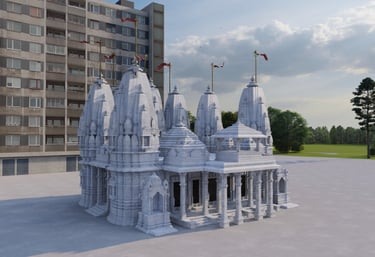
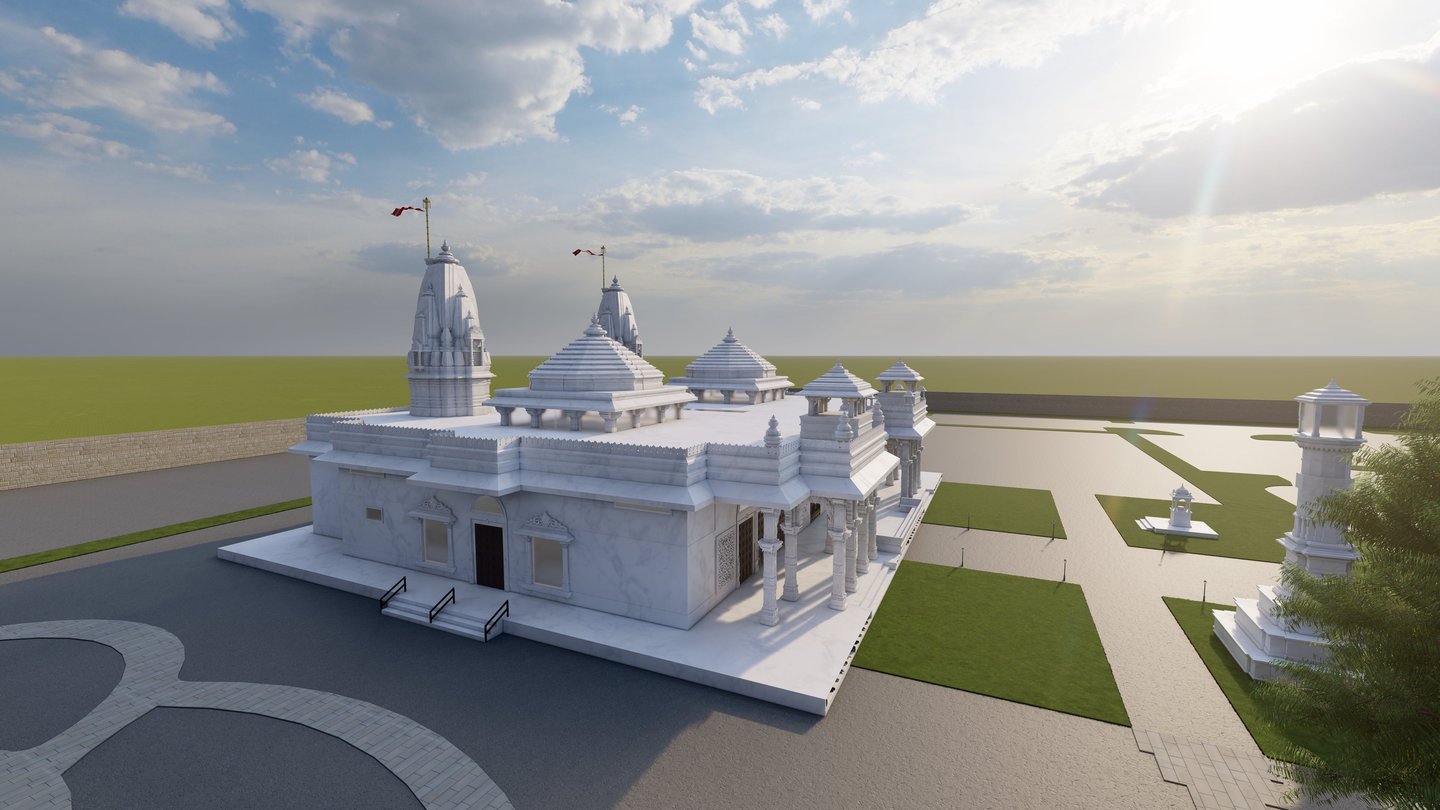
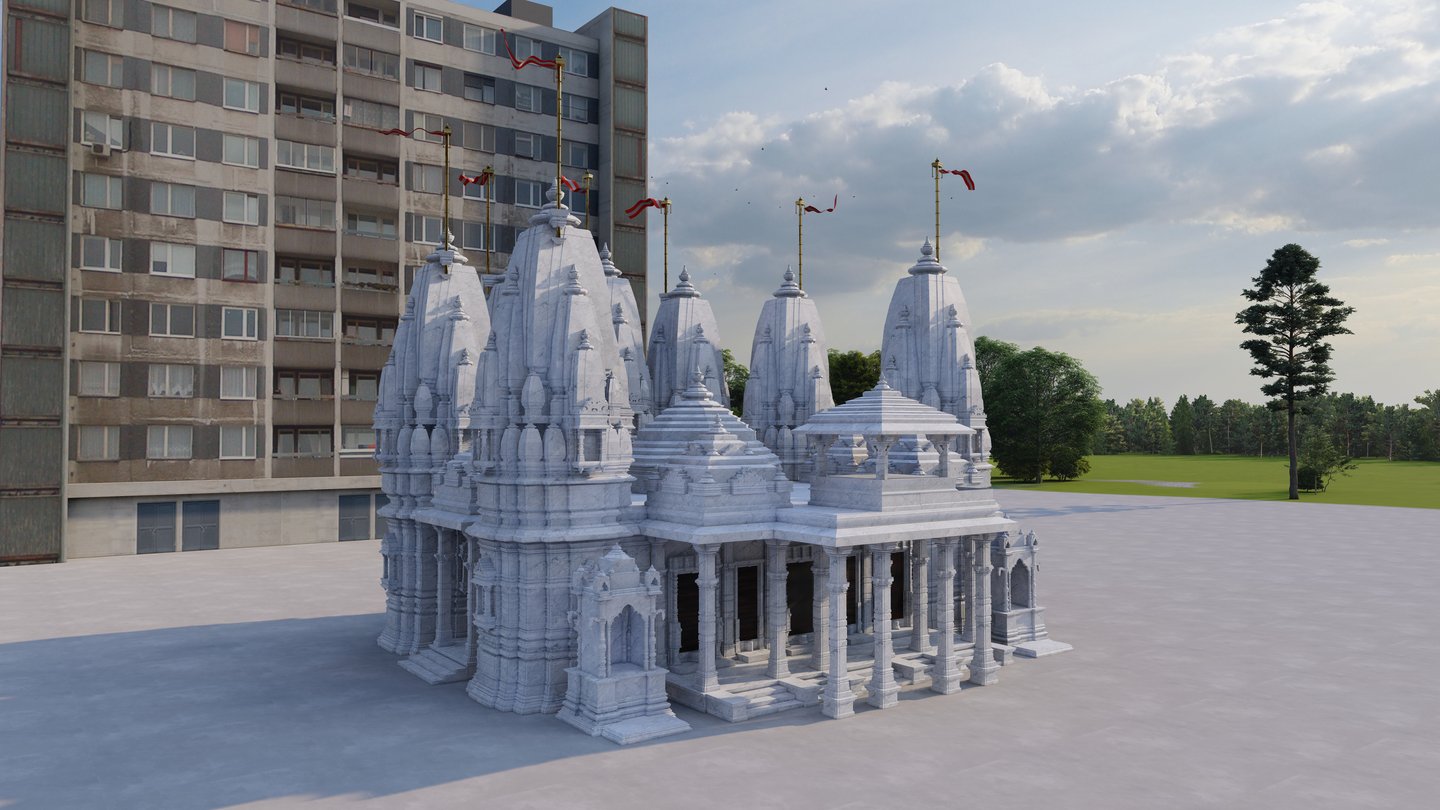
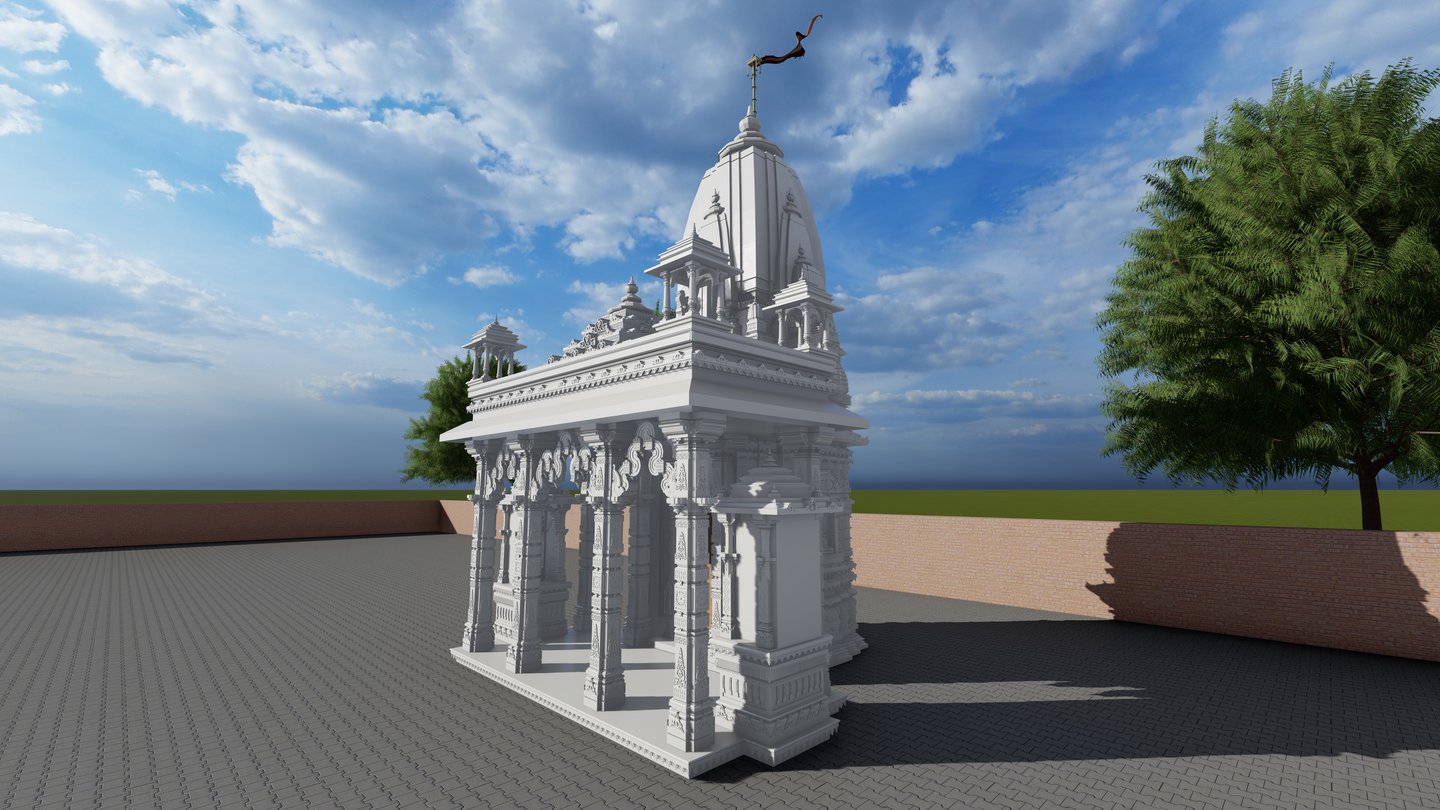
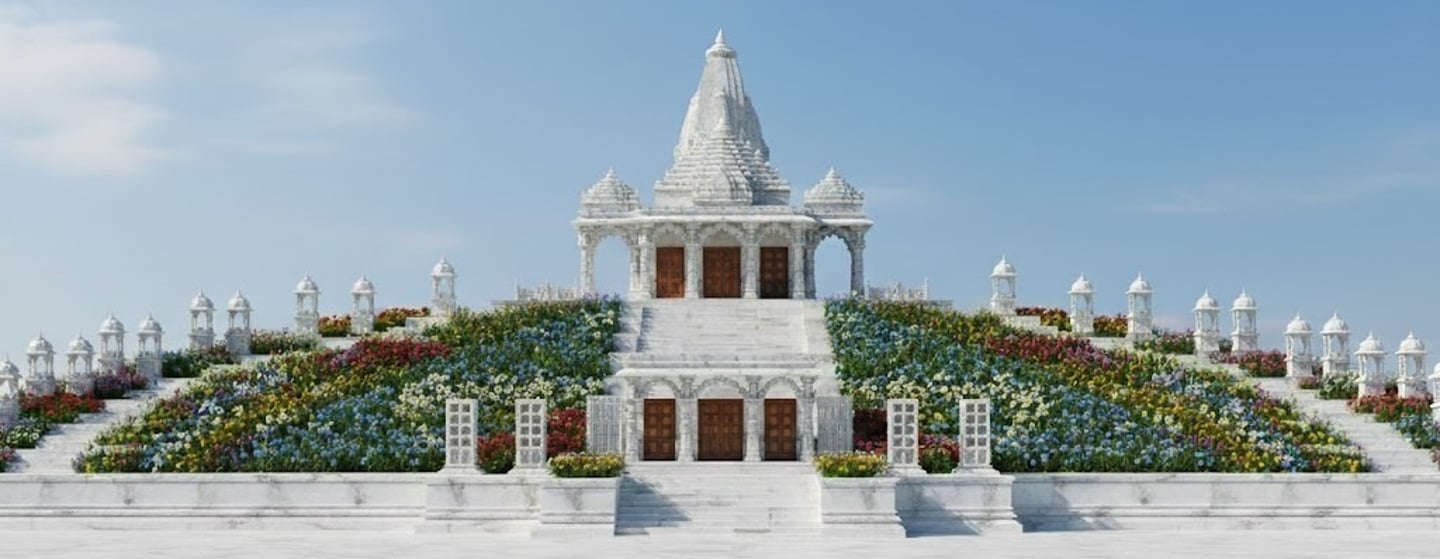
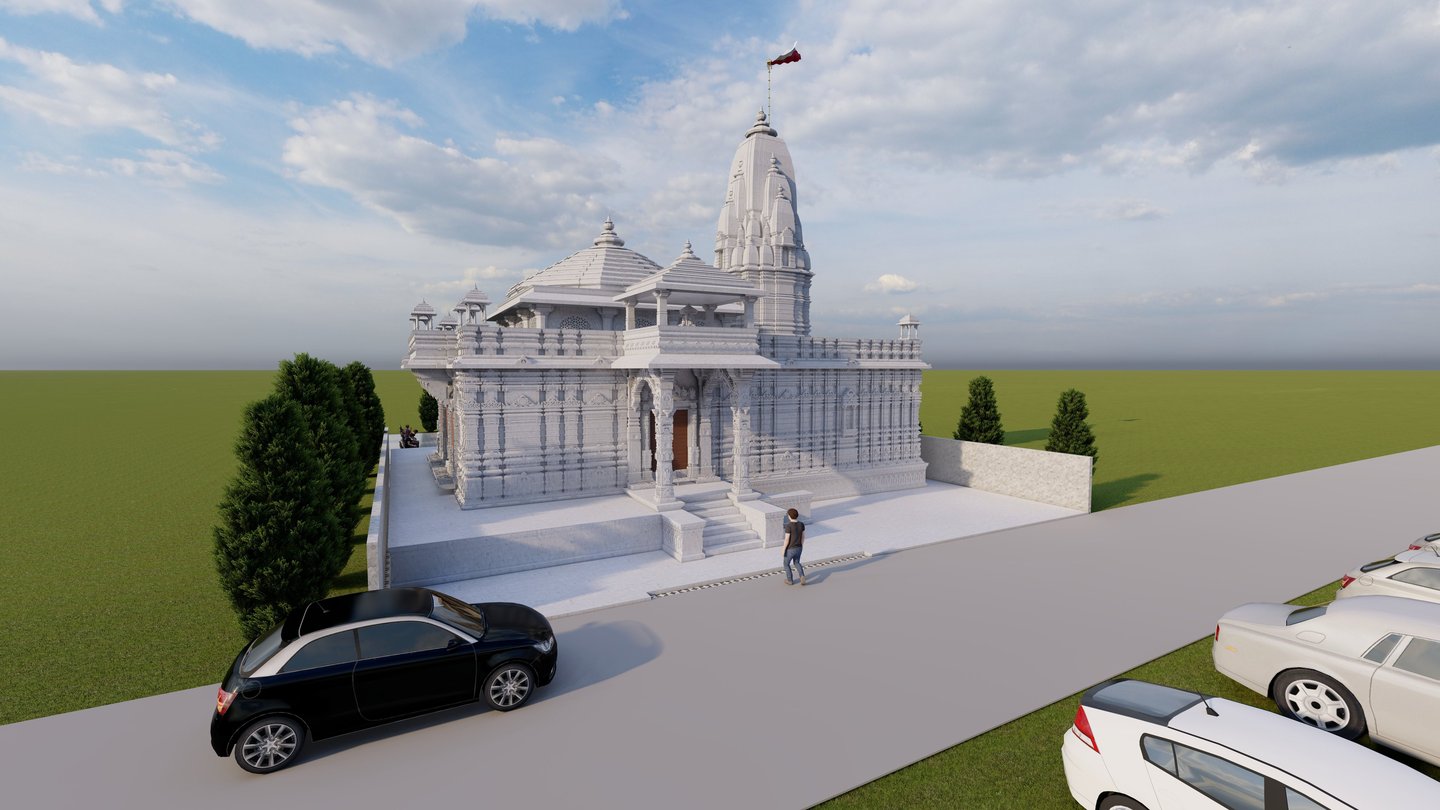
To help you visualize the sacred space before construction begins, we also offer high-end 3D modeling, photorealistic rendered images, and immersive walkthrough videos.
3d Modeling and walkthrough movies


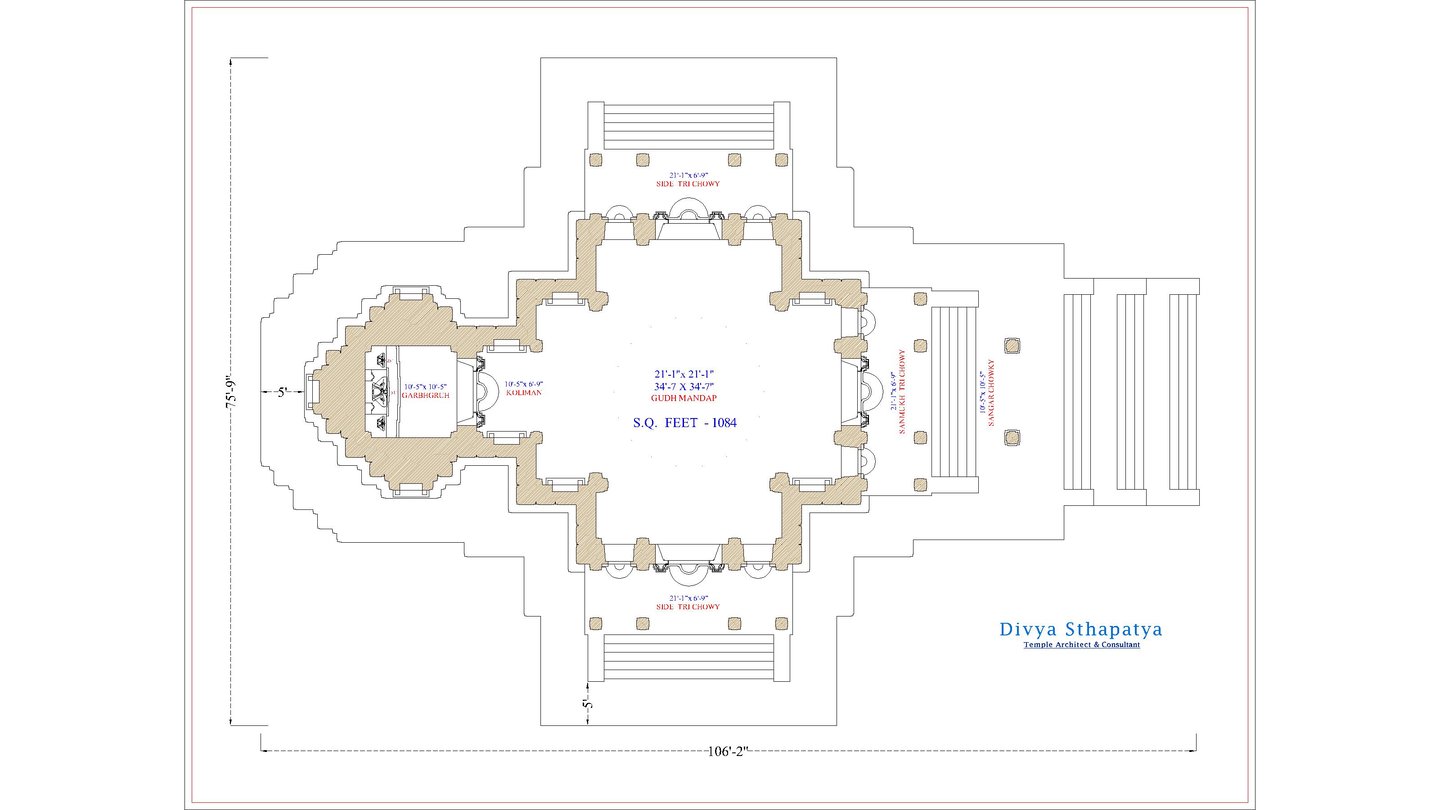
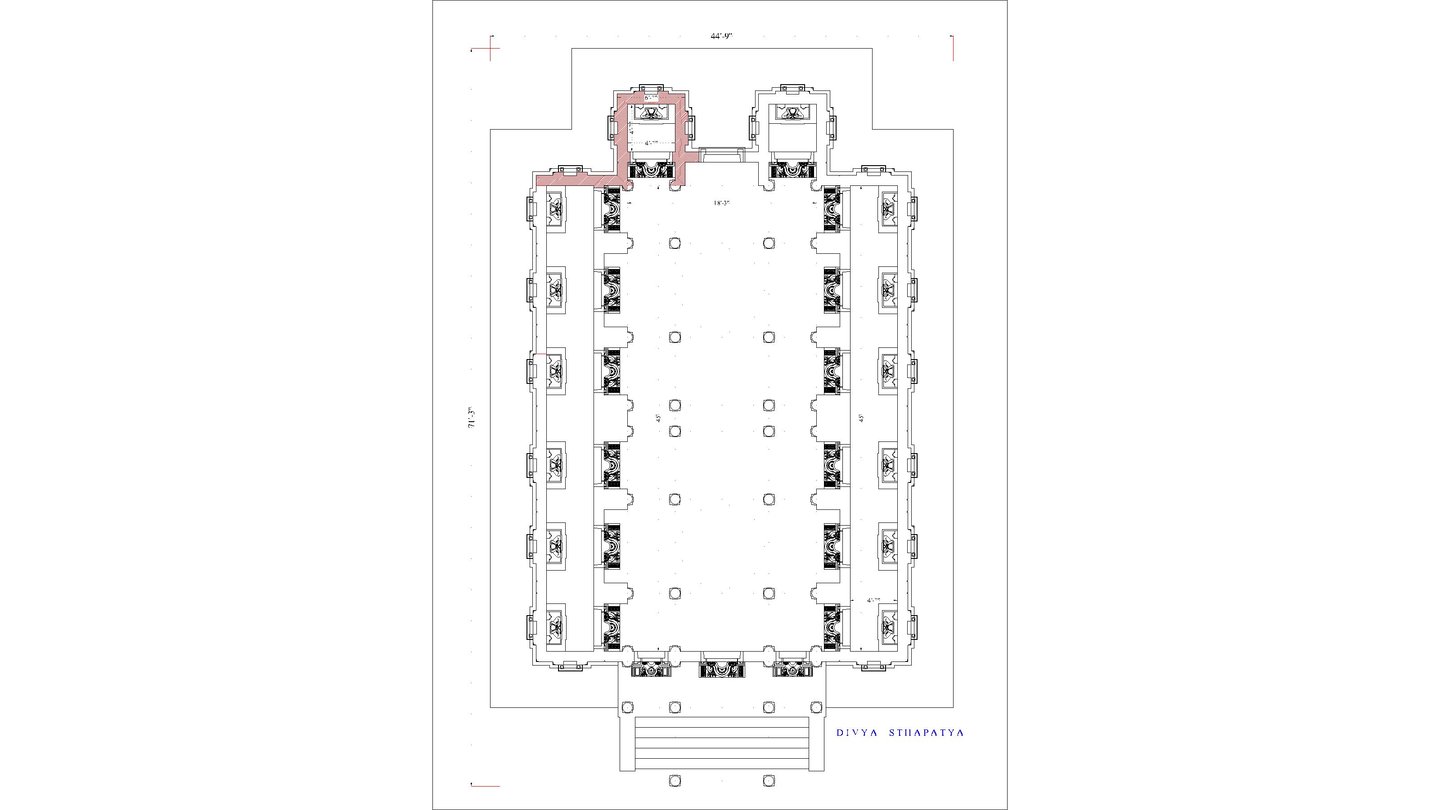
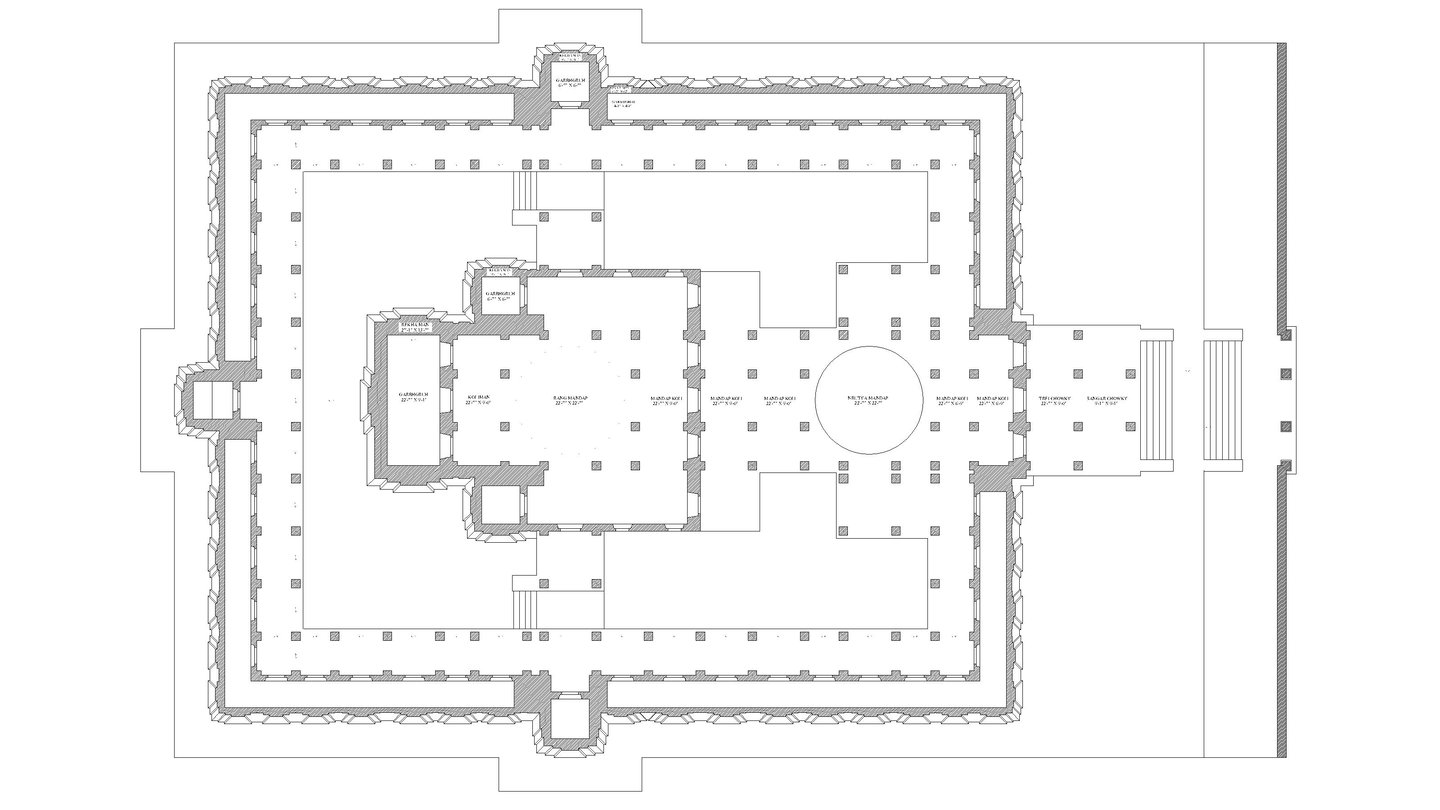
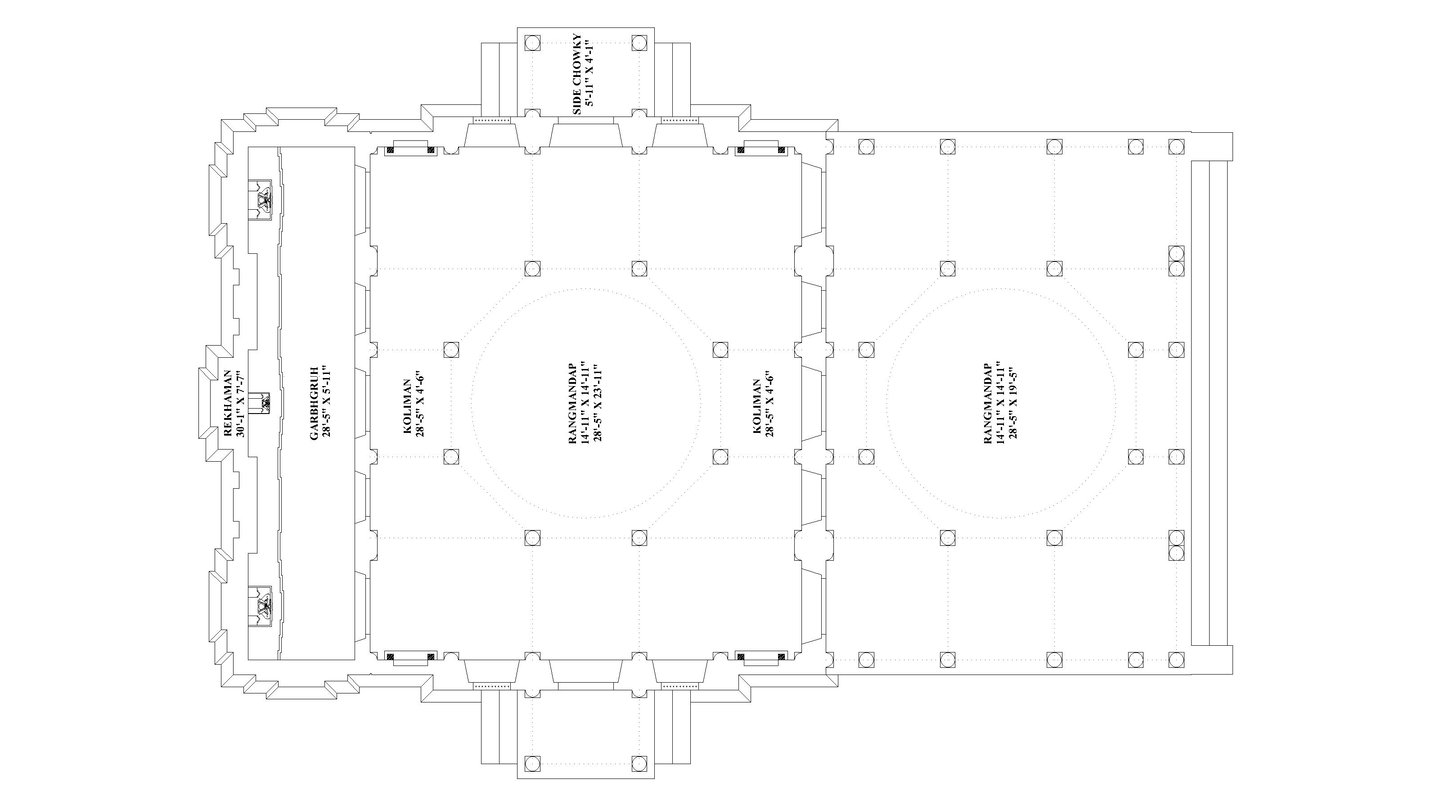
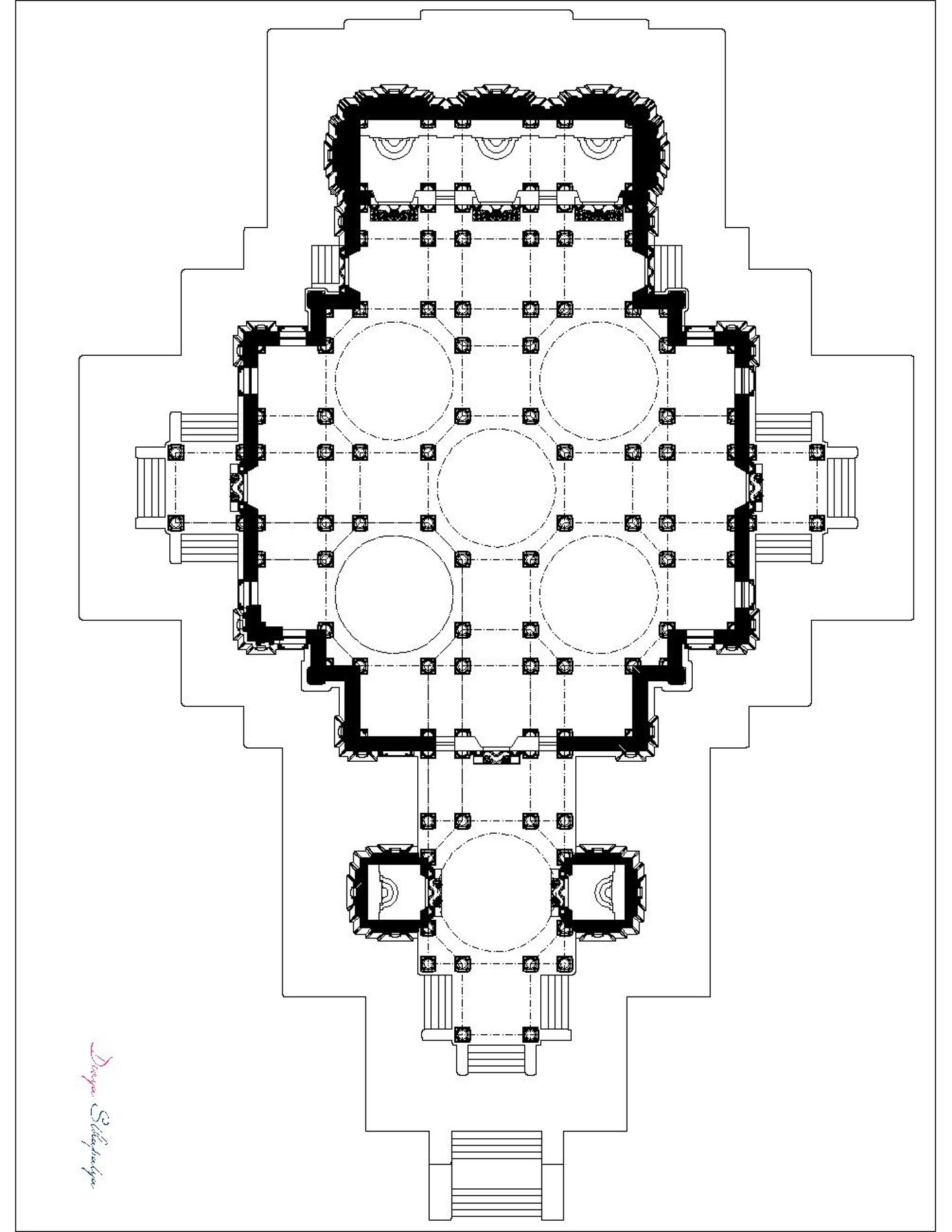
Tal Plan
DEMONSTRATION OF TAL(BASE) PLANS DISPLAYED TO OUR CLIENTS.
Elevations
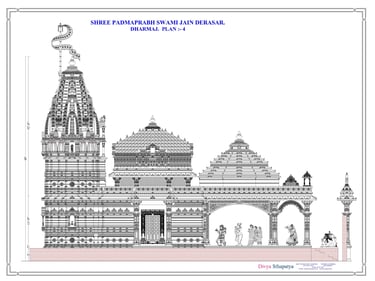
DEMONSTRATION OF ELEVATIONS WE PROVIDE ACCORDING TO THE BASE PLAN.

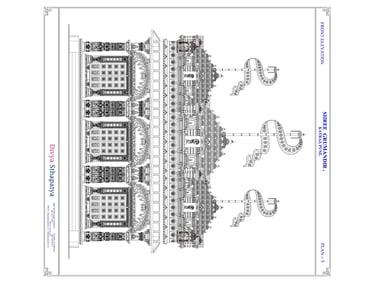
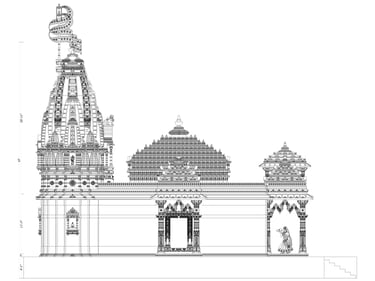
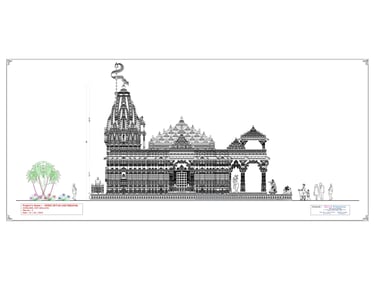
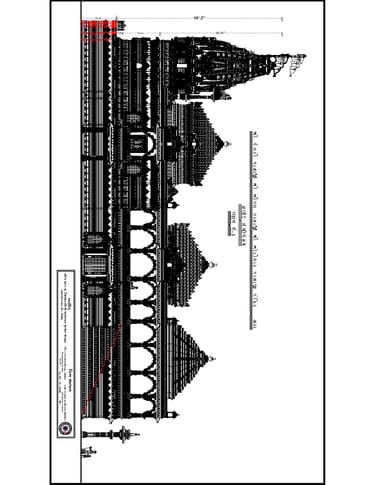
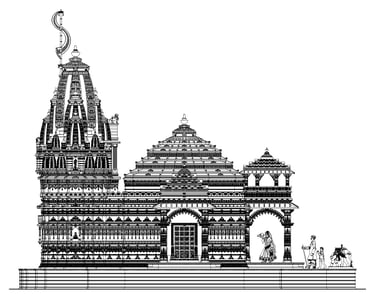
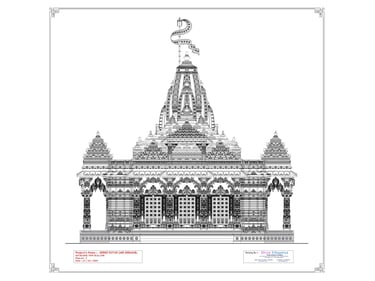

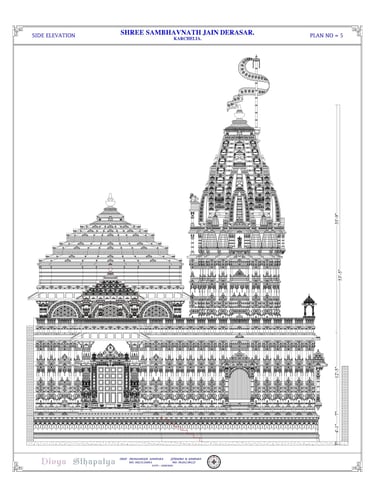
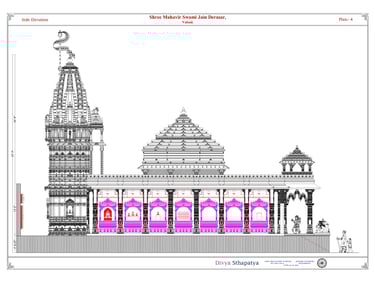
3D DRAWINGS
Stones Preffered for temple construction
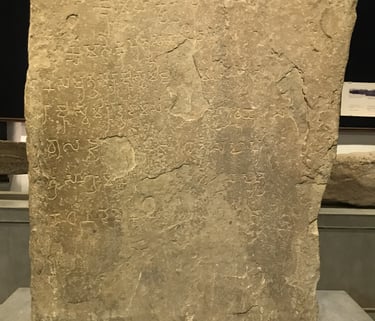


Dhrangadhara Stone
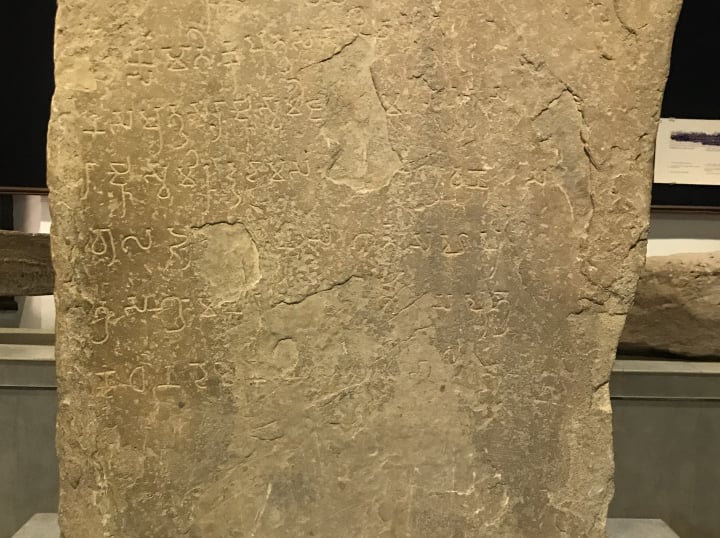
Dhrangadhara stone is a traditional limestone from Gujarat widely used in Hindu and Jain temple construction due to its suitability for detailed hand carving and its acceptance in Shilpa Shastra. It offers a warm, natural appearance in cream–beige tones and performs well in pillars, walls, mandaps, shikhar elements, and decorative carvings when proper drainage and lime-based construction methods are used. Though softer than marble or granite, its durability, ease of craftsmanship, ritual purity, and long historical use make it ideal for sacred architectural elements rather than high-traffic flooring.
Khavda stone is a traditional natural limestone from the Kutch region of Gujarat, commonly used in temple construction for its earthy appearance and good workability. It is suitable for carved architectural elements such as walls, pillars, mandap components, and decorative panels, especially in dry climates. The stone develops a natural patina over time, enhancing the sacred and historic character of the temple. While softer than marble and granite, Khavda stone performs well in load-bearing and ornamental applications when used with proper thickness, lime mortar, and protection from continuous moisture, making it appropriate for traditional Hindu and Jain temple architecture.
Khavda Stone
Ambaji Marble Stone
Rajnagar marble, quarried from the Rajnagar area of Rajasthan, is used in temple construction for its durability, uniform texture, and sober aesthetic. It is suitable for flooring, wall cladding, pillars, steps, and carved architectural elements in Hindu and Jain temples. The marble offers a balanced combination of strength and workability, allowing both structural use and moderate detailing, while its light to greyish tones provide a calm, traditional appearance. When installed with proper thickness and traditional fixing methods, Rajnagar marble performs well in high-traffic sacred spaces and maintains long-term stability.


Rajnagar Marble Stone


Sangemarmar (Sang-e-Marmar) marble is a classic white to off-white marble traditionally used in Hindu and Jain temples for its purity, strength, and refined appearance. It is well suited for flooring, pillars, wall cladding, idols, and carved architectural elements, offering good durability in both interior and exterior temple areas. Its smooth texture allows fine detailing while maintaining a calm, luminous aesthetic that enhances spiritual spaces. When laid with proper thickness and traditional fixing methods, Sangemarmar marble provides long-lasting performance and aligns well with ritual and architectural requirements of sacred structures.
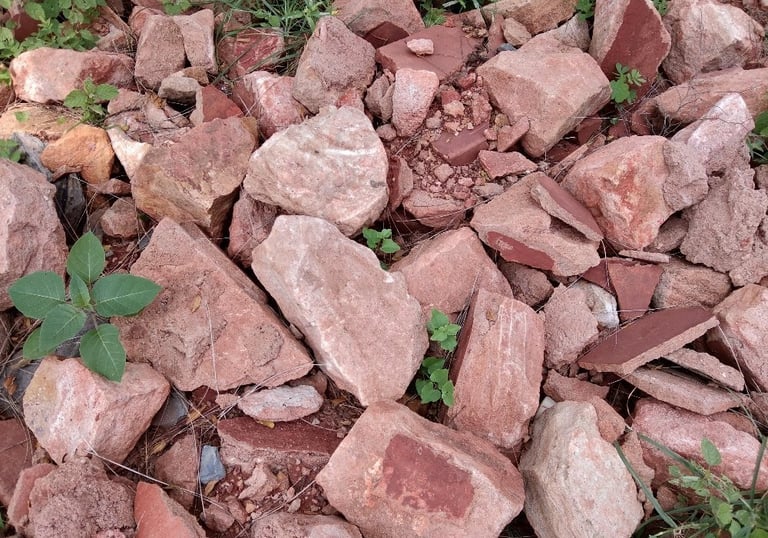
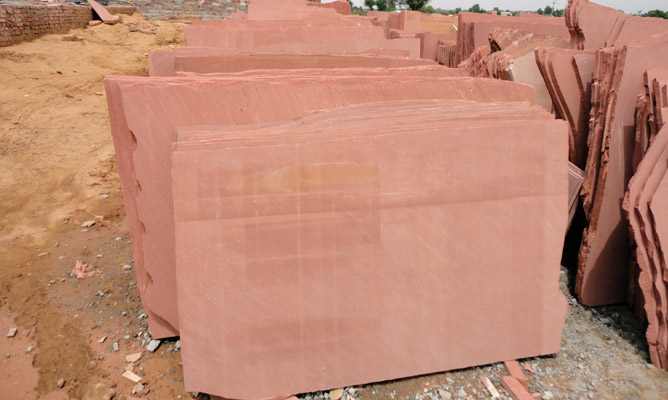
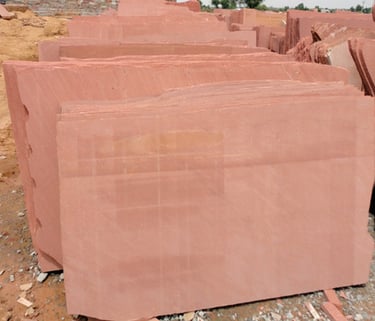
Bansipahadpur stone (also known as Bansi Paharpur sandstone) is a traditional pink sandstone from Rajasthan widely used in Hindu and Jain temple construction for its strength, durability, and distinctive warm pink tone. It is well suited for exterior walls, pillars, mandap elements, shikhar stonework, and carved architectural details, as the stone holds carving well and weathers gracefully over time. Its natural appearance, load-bearing capacity, and long-standing use in major temples make it a preferred material for sacred architecture, especially in dry and semi-arid climates.
Bansipahadpur Stone
Sangemarmar Marble Stone
Ambaji marble, sourced from the Ambaji region of Gujarat–Rajasthan border, is traditionally used in temple construction for its natural light tones and religious significance associated with the Ambaji area. It provides good durability and a sober, sacred appearance, making it suitable for flooring, wall cladding, pillars, and carved architectural elements in Hindu and Jain temples. While not as fine-grained as Makrana marble, it performs well in traditional construction when laid with proper thickness and lime-based methods, offering a cost-effective marble option that maintains ritual purity and long-term stability in temple environments.
Contact us
Phone
dipsompura@gmail.com
+91-9825116843
+91-9824300043
+91-9909160300